
Does Nattokinase Actually Work?
The enzyme in fermented soybeans, and what three decades of trials really show
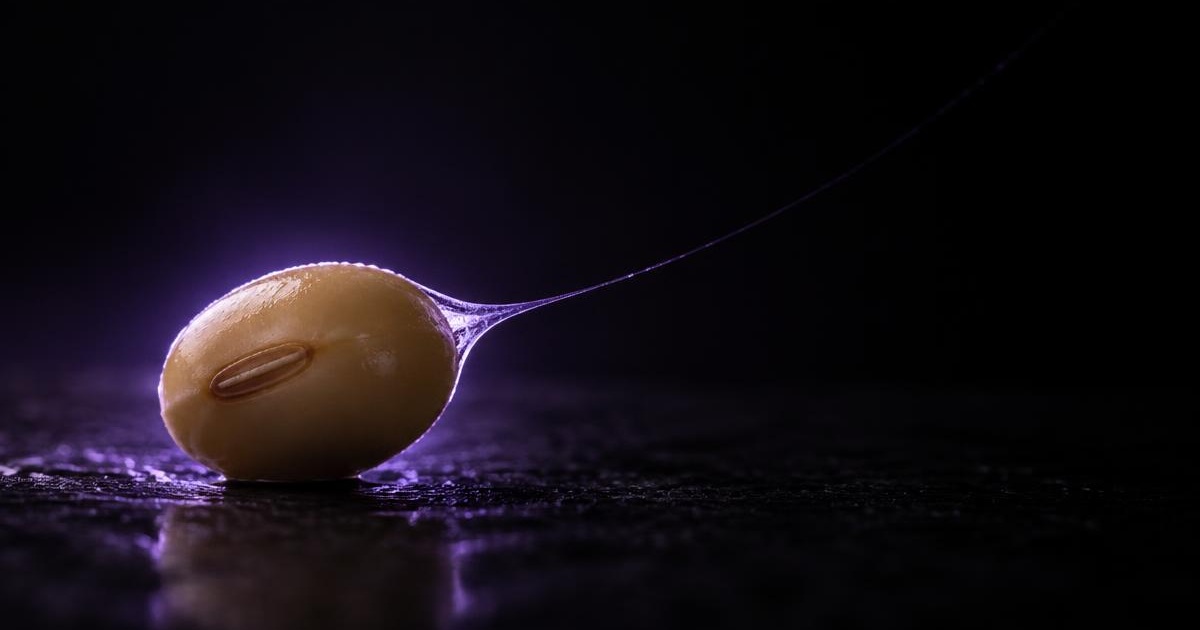
Nattokinase is the rare supplement with a plausible mechanism, a real enzyme behind it, and a genuinely interesting traditional food at its origin. It is also the rare supplement whose single largest, longest, placebo-controlled trial found precisely nothing — and whose most spectacular published result came from a study with no control group at all, five of whose authors work for the company that makes the ingredient. Both of those things are true, and the gap between them is the whole story.
The 60-Second Answer
Nattokinase is a real fibrinolytic enzyme, and a single dose measurably shifts clotting markers in healthy people. But the claim that it prevents cardiovascular disease does not hold up. The only large, long-term, placebo-controlled trial — 265 adults, 2,000 FU a day, a median of three years — found no effect on carotid plaque, arterial stiffness, blood pressure, or any laboratory measure. Short trials do show a small blood-pressure drop of roughly 3–5 mmHg systolic. The dramatic plaque-regression figures circulating online come from an uncontrolled retrospective study. And the cholesterol-lowering widely credited to nattokinase actually belongs to the red yeast rice it is usually packaged with, which contains a natural statin. The one risk worth taking seriously is bleeding, particularly alongside aspirin or an anticoagulant.
What nattokinase is
Natto is a traditional Japanese breakfast food: soybeans fermented with Bacillus subtilis var. natto into a sticky, strongly flavoured mass that most Japanese people either love or avoid entirely. In 1980 a researcher dropped some natto onto a plate of artificial fibrin — the protein mesh that holds a blood clot together — and watched it dissolve. The enzyme responsible was named nattokinase. It is a serine protease of the subtilisin family, and unlike most dietary proteins it is unusually stable: it tolerates stomach acid and freeze–thaw cycles better than a protein that size has any right to.[1]
The commercial product is an extract, standardised not by milligrams but by fibrinolytic units (FU) — a measure of clot-dissolving activity rather than mass. Most capsules deliver 2,000 FU, typically from about 100 mg of extract, and that is the dose used in the majority of published trials. Doses up to 10,800 FU a day appear in the literature. Note that FU is an activity assay, not a weight: two products with the same milligram count can differ substantially in potency, which is one reason trial results are hard to compare.
The absorption problem — and why it is less fatal than it sounds
The obvious objection to swallowing an enzyme is that digestion should destroy it. Mostly, it does. But the evidence that some fraction survives is better than sceptics usually allow. In rats, nattokinase delivered directly into the duodenum produced detectable cleavage of plasma fibrinogen within thirty minutes, and intact nattokinase was found in plasma three and five hours later by Western blot.[2] A more recent study using inverted rat gut sacs and Caco-2 cell monolayers classified nattokinase as a moderately absorbed biomolecule taken up by energy-dependent endocytosis — specifically macropinocytosis plus clathrin- and caveolae-mediated pathways.[3]
Human data point the same way. In a double-blind crossover study, twelve healthy young men took a single 2,000 FU dose. D-dimer rose at six and eight hours, fibrin degradation products rose at four hours, factor VIII activity fell, antithrombin rose, and the activated partial thromboplastin time lengthened.[4] A separate randomised trial in 100 people with raised cholesterol found that eight weeks of nattokinase prolonged both the collagen–epinephrine closure time and the aPTT significantly more than placebo.[5] So something is getting through, and it is doing something to haemostasis. Hold onto that — it matters more for the safety section than for the efficacy one. Every change in the single-dose study stayed inside the normal reference range.
The trial that should have settled it
If nattokinase slows cardiovascular disease, the place to look is a long trial with a hard-ish endpoint. There is exactly one. The Nattokinase Atherothrombotic Prevention Study randomised 265 adults with a median age of 65 and no clinical cardiovascular disease to 2,000 FU of nattokinase daily or matching placebo, double-blinded, with serial carotid ultrasound every six months. It ran for a median of three years at the University of Southern California.[6]
The result was null across the board. The annualised rate of change in carotid intima-media thickness did not differ between groups. Neither did carotid arterial stiffness. Neither did blood pressure. Neither, in the authors' words, did “any laboratory determination” — and they measured metabolic factors, blood rheology, coagulation and fibrinolysis factors, inflammatory markers and monocyte activation markers. The conclusion was that nattokinase has “a null effect on subclinical atherosclerosis progression.”
This is the best-designed study in the field by a distance, and it is the one least often quoted in marketing copy.
So where do the plaque-regression numbers come from?
Search for nattokinase and you will quickly meet a figure: carotid plaque shrinking by roughly a third, intima-media thickness falling by a fifth. Those numbers are real, in the sense that they were published. They come from a 2022 study of 1,062 participants given 10,800 FU a day for twelve months, in which plaque area fell from 24.9 mm² to 15.94 mm² and intima-media thickness from 1.33 mm to 1.04 mm.[7]
Three things about that study deserve to be stated plainly, because they are rarely mentioned alongside the numbers. It was retrospective. It had no placebo arm and no control group — the comparison is each participant against their own baseline, in a cohort that was presumably also receiving medical advice, and the 61 people on the lower 3,600 FU dose were not randomly allocated. And five of its eleven authors are, per the paper's own competing-interests statement, employed by Sungen Bioscience Co. Ltd., which manufactures the nattokinase used. None of that makes the data fraudulent. It does mean that an uncontrolled before-and-after comparison cannot distinguish a drug effect from regression to the mean, measurement drift, or everything else the participants were doing over a year.
Set that study beside the randomised one and the pattern is familiar from other supplement literatures: the positive result has the bigger number and the weaker design; the null result has the better design and no commercial sponsor. We have seen the same shape in the evidence on glycocalyx supplements, where the only independently conducted trial was also the only null one.
A smaller 2017 study comparing nattokinase against simvastatin over 26 weeks in 82 patients reported greater plaque reduction with nattokinase than with the statin.[8] It had no placebo arm either, and a finding that an unregulated enzyme supplement outperforms a statin on plaque — while losing to it on every lipid measure — is the kind of result that needs replication in a blinded trial before it changes anything.
Blood pressure: the one modest, repeated signal
Here the evidence is thinner but more consistent. In a Korean randomised double-blind trial, 86 adults with pre-hypertension or stage 1 hypertension took 2,000 FU daily for eight weeks. Net of placebo, systolic pressure fell 5.55 mmHg (95% CI −10.50 to −0.57) and diastolic 2.84 mmHg (95% CI −5.33 to −0.33), with a fall in plasma renin activity.[9] A North American trial of 79 people with elevated blood pressure found a similar direction of effect, more pronounced in men.[10] A 2023 meta-analysis pooling six randomised trials and 546 participants put the effect at −3.45 mmHg systolic and −2.32 mmHg diastolic.[11]
Three to five millimetres of mercury is not nothing — it is roughly what you would expect from a meaningful reduction in dietary sodium. But the trials are eight weeks long and small, and the three-year trial that measured blood pressure repeatedly found no effect at all.[6] The honest reading is that a short-term, modest antihypertensive effect is plausible and not established, and that nobody should be substituting it for treatment of hypertension that actually needs treating. Your cardiovascular biomarkers are worth tracking regardless of what is in the capsule.
Blood pressure: what the short trials found
Net change versus placebo, with 95% confidence intervals
Short trials find a small blood-pressure reduction. The three-year randomised trial found none, and published no point estimate.
Kim et al., Hypertens Res 2008 (n=86, 8 weeks); Li et al., Rev Cardiovasc Med 2023 (6 RCTs, 546 participants). Confidence intervals as published.
The whole human evidence base, by study design
Participants enrolled in the principal published human studies
The largest study in the field is the one with no control group. The longest randomised trial is the one that found nothing.
Participant numbers as enrolled, from each study's published abstract.
The cholesterol claim belongs to something else
This is the part most worth knowing. Nattokinase is widely sold as a lipid-lowering supplement. The single cleanest test of that claim was a randomised, double-blind, placebo-controlled trial that compared nattokinase alone against nattokinase combined with red yeast rice extract in 47 people with hyperlipidaemia, over six months. The nattokinase-only formula “showed no effects on blood lipids” through month six. The combined formula lowered total cholesterol by 25%, LDL cholesterol by 41% and triglycerides by 15%, and raised HDL by 7.5% — and only the combined group differed significantly from placebo.[12]
Red yeast rice contains monacolin K. Monacolin K in its lactone form is, as the European Food Safety Authority concluded and EU law now states, identical to lovastatin — the active ingredient of a prescription statin.[13] The combination product lowered cholesterol because it contained a statin. A more recent four-month randomised trial of a nattokinase–monascus (red yeast rice) supplement in 113 people likewise improved cholesterol while leaving carotid intima-media thickness unchanged.[14] If you are taking nattokinase for your lipids, check whether what you are actually taking is an unmonitored low dose of a statin.
The 2023 meta-analysis makes this stranger still: pooled across trials, nattokinase was associated with slightly higher total and LDL cholesterol and slightly lower HDL than placebo, along with a small rise in blood glucose.[11] Those are small, heterogeneous estimates from six studies and should not be over-read in either direction — but they are not the profile of a lipid-lowering agent.
The lipid effect belongs to the red yeast rice
Percentage change at six months
Nattokinase alone moved no lipid measure over six months. The same enzyme combined with red yeast rice — which contains monacolin K, chemically identical to the statin lovastatin — moved all of them.
Yang et al., Asia Pac J Clin Nutr 2009 (n=47, randomised, double-blind, placebo-controlled). Zero bars denote 'no significant change reported', not a measured zero.
The spike protein claim
A persistent online claim holds that nattokinase “dissolves” SARS-CoV-2 spike protein, including spike protein said to persist after vaccination. The source is a single 2022 laboratory study in which nattokinase added to lysates of spike-transfected cells degraded the protein in a dose- and time-dependent manner.[15] That is a real experiment and an unremarkable one: nattokinase is a protease, and proteases degrade proteins they are incubated with in a dish. Three of its ten authors list a commercial nattokinase ingredient supplier as their affiliation. There is no human trial, no evidence that orally ingested nattokinase reaches tissue in a form or concentration that could do this, and no clinical outcome of any kind. It is a mechanism in a test tube being sold as a therapy.
What is actually worth worrying about: bleeding
The irony of nattokinase is that the best-supported effect is the one that argues for caution. The enzyme measurably prolongs clotting times. There is a published case of acute cerebellar haemorrhage in a patient with cerebral microbleeds who had been taking aspirin for secondary stroke prevention and added nattokinase for seven days.[16] A single case report does not establish causation, but it is biologically coherent, and recent reviews of cardiovascular nutraceuticals list nattokinase among the supplements whose bleeding risk and drug interactions should be considered before use.[17]
Anyone taking warfarin, a direct oral anticoagulant, aspirin, clopidogrel or another antiplatelet, anyone with a bleeding disorder or cerebral microbleeds, and anyone facing surgery or a dental procedure should not start nattokinase without talking to the clinician managing that therapy.
There is a separate warfarin problem with the food rather than the supplement. Natto itself is a potent source of vitamin K2 as menaquinone-7, and the live Bacillus subtilis it carries keeps producing it. In volunteers, eating untreated natto raised plasma MK-7 from 1.86 ng/mL to 14.54 ng/mL within five hours and it remained elevated at 48 hours; boiling the natto cut its MK-7 content by roughly 88% and largely abolished the plasma rise.[18] Natto is classically contraindicated in people on warfarin for exactly this reason. Most commercial nattokinase extracts have the vitamin K2 removed, which removes that specific interaction but not the fibrinolytic one.
What about just eating natto?
Interestingly, the food has better observational support than the supplement. In the Takayama Study, 29,079 Japanese adults were followed for 16 years. The highest quartile of natto intake, compared with the lowest, was associated with a 25% lower risk of cardiovascular mortality (HR 0.75, 95% CI 0.64–0.88; p-trend 0.0004), a 32% lower risk of stroke mortality and a 33% lower risk of ischaemic stroke mortality. Total soy protein and soy isoflavone intake from foods other than natto showed no such association.[19] That is a striking and specific finding — and it is observational. People who eat natto regularly differ from people who do not in ways a food-frequency questionnaire cannot fully adjust for, and natto delivers fibre, soy protein, vitamin K2 and a live fermented food culture alongside the enzyme. It is a good argument for eating natto. It is not evidence that the extract in a capsule reproduces the effect — and the randomised trial of the extract was null.
Where this leaves things
Nattokinase is better than a pure placebo story and much weaker than its marketing. It is a genuine enzyme with genuine, measurable effects on clotting markers. One randomised trial, run for three years by investigators with no commercial stake, looked for a cardiovascular benefit and found none. The most impressive numbers in the literature come from the studies with the weakest designs and the closest commercial ties. The cholesterol effect is a statin wearing a soybean costume. The spike-protein claim is a petri dish. And the bleeding risk, while small, is the part of the story with a plausible mechanism and a published case behind it.
Two randomised trials are currently recruiting — one in Brazil in dyslipidaemia, one in Taiwan in metabolic syndrome — so the picture may yet change.[20] Until it does, nattokinase belongs in the category of supplements that are interesting, probably safe for most people, and not supported for the thing most people buy them for. If cardiovascular risk is the concern, the interventions with randomised evidence behind them — blood pressure control, lipid management, exercise, sleep and not smoking — remain unglamorous and unbeaten. Our longevity programme is built around those first.
What this means in practice
- Nattokinase is not a substitute for blood pressure or cholesterol treatment that is actually indicated. The one long randomised trial found no cardiovascular benefit.
- If you take it, 2,000 FU daily is the dose most trials used. FU is an activity measure, not a weight — compare products on FU, not milligrams.
- Do not combine it with aspirin, clopidogrel, warfarin or a direct oral anticoagulant without asking the clinician who manages that prescription.
- Stop it before planned surgery or dental extraction, and tell the surgeon or dentist you have been taking it.
- If you have cerebral microbleeds, a bleeding disorder, or a history of haemorrhagic stroke, this is not a supplement to self-prescribe.
- Check the label for red yeast rice. If it is in there, you are taking a natural statin — with the same muscle, liver and drug-interaction considerations, and without monitoring.
- Natto the food has better observational support than the extract. If you like it, eat it. If you are on warfarin, it is a classic contraindication because of its vitamin K2 content.
- Ignore the spike-protein claims. The entire basis is one experiment in a dish.
Frequently asked questions
Does nattokinase thin your blood?
It measurably affects clotting. A single 2,000 FU dose raised D-dimer and fibrin degradation products, lowered factor VIII and lengthened the aPTT in healthy men, though all values stayed within normal range; an eight-week trial found longer collagen–epinephrine closure and aPTT times than placebo. It is not an anticoagulant drug and should not be used as one, but the effect is real enough to matter for bleeding risk.
Does nattokinase lower blood pressure?
Short randomised trials suggest a reduction of about 3 to 5 mmHg systolic and 2 to 3 mmHg diastolic over eight weeks. The only three-year randomised trial found no effect on blood pressure at all. Treat it as a possible small effect, not an established one.
Can nattokinase dissolve arterial plaque?
There is no good evidence that it can. The widely quoted plaque-regression figures come from a retrospective study with no control group, five of whose authors work for the ingredient manufacturer. The randomised, placebo-controlled trial that measured carotid plaque progression over three years found no difference from placebo.
Is nattokinase safe with blood thinners or aspirin?
This is the main safety question. There is a published case of cerebellar haemorrhage in a patient on aspirin who added nattokinase, and the enzyme demonstrably prolongs clotting times. Anyone on an anticoagulant or antiplatelet should speak to their clinician before taking it.
Does nattokinase break down COVID spike protein?
There is no human evidence for this. The claim rests on a single laboratory study in which nattokinase degraded spike protein in cell lysates — which is what a protease does to a protein in a dish. No trial has tested whether ingested nattokinase affects spike protein in people.
What dose of nattokinase is used in studies?
Most trials used 2,000 fibrinolytic units (FU) daily, usually about 100 mg of extract. Higher doses up to 10,800 FU per day appear in the uncontrolled literature. Because FU measures enzyme activity rather than mass, two products with the same milligram dose can differ in potency.
Should I eat natto instead of taking a supplement?
In a 16-year Japanese cohort of 29,079 adults, the highest quartile of natto intake was associated with 25% lower cardiovascular mortality, an association not seen for other soy foods. That is observational, not causal — but the food carries fibre, soy protein and vitamin K2 that the capsule does not.
Does nattokinase interact with warfarin because of vitamin K?
Natto the food does: it is rich in vitamin K2 (menaquinone-7) and is classically contraindicated on warfarin. Most commercial nattokinase extracts have the K2 removed, so that specific interaction does not apply — but the fibrinolytic effect still does.
References
- [1]Wei C, Cai R, Song Y, Liu X, Xu HL. Research progress of nattokinase in reducing blood lipid. Nutrients. 2025;17(11):1784. (PMID 40507053)
- [2]Fujita M, Hong K, Ito Y, et al. Transport of nattokinase across the rat intestinal tract. Biol Pharm Bull. 1995;18(9):1194–1196. (PMID 8845803)
- [3]Feng H, Liu C, Liu Q, et al. Study on the transport and internalisation mechanism of dietary supplement nattokinase in the small intestine using animal and Caco-2 cell monolayer models. Xenobiotica. 2023;53(12):670–680. (PMID 37971898)
- [4]Kurosawa Y, Nirengi S, Homma T, et al. A single-dose of oral nattokinase potentiates thrombolysis and anti-coagulation profiles. Sci Rep. 2015;5:11601. (PMID 26109079)
- [5]Yoo HJ, Kim M, Kim M, et al. The effects of nattokinase supplementation on collagen-epinephrine closure time, prothrombin time and activated partial thromboplastin time in nondiabetic and hypercholesterolemic subjects. Food Funct. 2019;10(5):2888–2893. (PMID 31070609)
- [6]Hodis HN, Mack WJ, Meiselman HJ, et al. Nattokinase atherothrombotic prevention study: a randomized controlled trial. Clin Hemorheol Microcirc. 2021. (PMID 33843667)
- [7]Chen H, Chen J, Zhang F, et al. Effective management of atherosclerosis progress and hyperlipidemia with nattokinase: a clinical study with 1,062 participants. Front Cardiovasc Med. 2022;9:964977. (PMID 36072877)
- [8]Ren NN, Chen HJ, Li Y, McGowan GW, Lin YG. A clinical study on the effect of nattokinase on carotid artery atherosclerosis and hyperlipidaemia. Zhonghua Yi Xue Za Zhi. 2017. (PMID 28763875)
- [9]Kim JY, Gum SN, Paik JK, et al. Effects of nattokinase on blood pressure: a randomized, controlled trial. Hypertens Res. 2008;31(8):1583–1588. (PMID 18971533)
- [10]Jensen GS, Lenninger M, Ero MP, Benson KF. Consumption of nattokinase is associated with reduced blood pressure and von Willebrand factor, a cardiovascular risk marker. Integr Blood Press Control. 2016. (PMID 27785095)
- [11]Li X, Long J, Gao Q, et al. Nattokinase supplementation and cardiovascular risk factors: a systematic review and meta-analysis of randomized controlled trials. Rev Cardiovasc Med. 2023;24(8):234. (PMID 39076715)
- [12]Yang NC, Chou CW, Chen CY, Hwang KL, Yang YC. Combined nattokinase with red yeast rice but not nattokinase alone has potent effects on blood lipids in human subjects with hyperlipidemia. Asia Pac J Clin Nutr. 2009. (PMID 19786378)
- [13]Commission Regulation (EU) 2022/860 of 1 June 2022 on monacolins from red yeast rice. (EFSA concluded monacolin K in lactone form is identical to lovastatin and could not identify an intake free from concern; EU limit is less than 3 mg monacolins per daily portion.)
- [14]Liu X, Zeng X, Mahe J, et al. The effect of nattokinase-monascus supplements on dyslipidemia: a four-month randomized, double-blind, placebo-controlled clinical trial. Nutrients. 2023;15(19):4239. (PMID 37836525)
- [15]Tanikawa T, Kiba Y, Yu J, et al. Degradative effect of nattokinase on spike protein of SARS-CoV-2. Molecules. 2022;27(17):5405. (PMID 36080170)
- [16]Chang YY, Liu JS, Lai SL, Wu HS, Lan MY. Cerebellar hemorrhage provoked by combined use of nattokinase and aspirin in a patient with cerebral microbleeds. Intern Med. 2008;47(5):467–469. (PMID 18310985)
- [17]Dobre MZ, Virgolici B, Doicin IC, Vîrgolici H, Stanescu-Spinu II. Navigating the effects of anti-atherosclerotic supplements and acknowledging associated bleeding risks. Int J Mol Sci. 2025;26(20):10183. (PMID 41155474)
- [18]Homma K, Wakana N, Suzuki Y, et al. Treatment of natto, a fermented soybean preparation, to prevent excessive plasma vitamin K concentrations in patients taking warfarin. J Nutr Sci Vitaminol (Tokyo). 2006;52(5):297–301. (PMID 17190098)
- [19]Nagata C, Wada K, Tamura T, et al. Dietary soy and natto intake and cardiovascular disease mortality in Japanese adults: the Takayama study. Am J Clin Nutr. 2017;105(2):426–431. (PMID 27927636)
- [20]ClinicalTrials.gov. NCT02080520 (Nattokinase Atherothrombotic Prevention Study); NCT06183307 (nattokinase in dyslipidaemia, recruiting); NCT07229521 (nattokinase in metabolic syndrome, recruiting).